What Is A Periodontist? in Seattle, WA
Oral health goes far beyond just having clean, cavity-free teeth. It also involves your gums, the bone that supports your teeth, and the connective tissues that hold everything in place. A periodontist is a dental specialist who focuses on these often-overlooked aspects of your mouth. These professionals undergo additional years of specialized training after dental school, equipping them to treat gum disease, perform gum-related surgeries, and place dental implants with precision and care.
While general dentists handle many common oral health issues, periodontists are often called in for more advanced or complex cases. Their expertise can make a significant difference when it comes to saving teeth, improving comfort, and preventing long-term damage to your mouth. If you’re noticing persistent symptoms or planning major dental work, understanding what a periodontist does can help you make an informed decision about your care.
When you might need to see a periodontist
You may not need to see a specialist for every oral health issue, but there are times when a periodontist can provide the extra level of care your situation requires. These signs may indicate it’s time to make an appointment:
- Persistent bleeding gums. If your gums bleed regularly during brushing or flossing, it could be a sign of inflammation or infection.
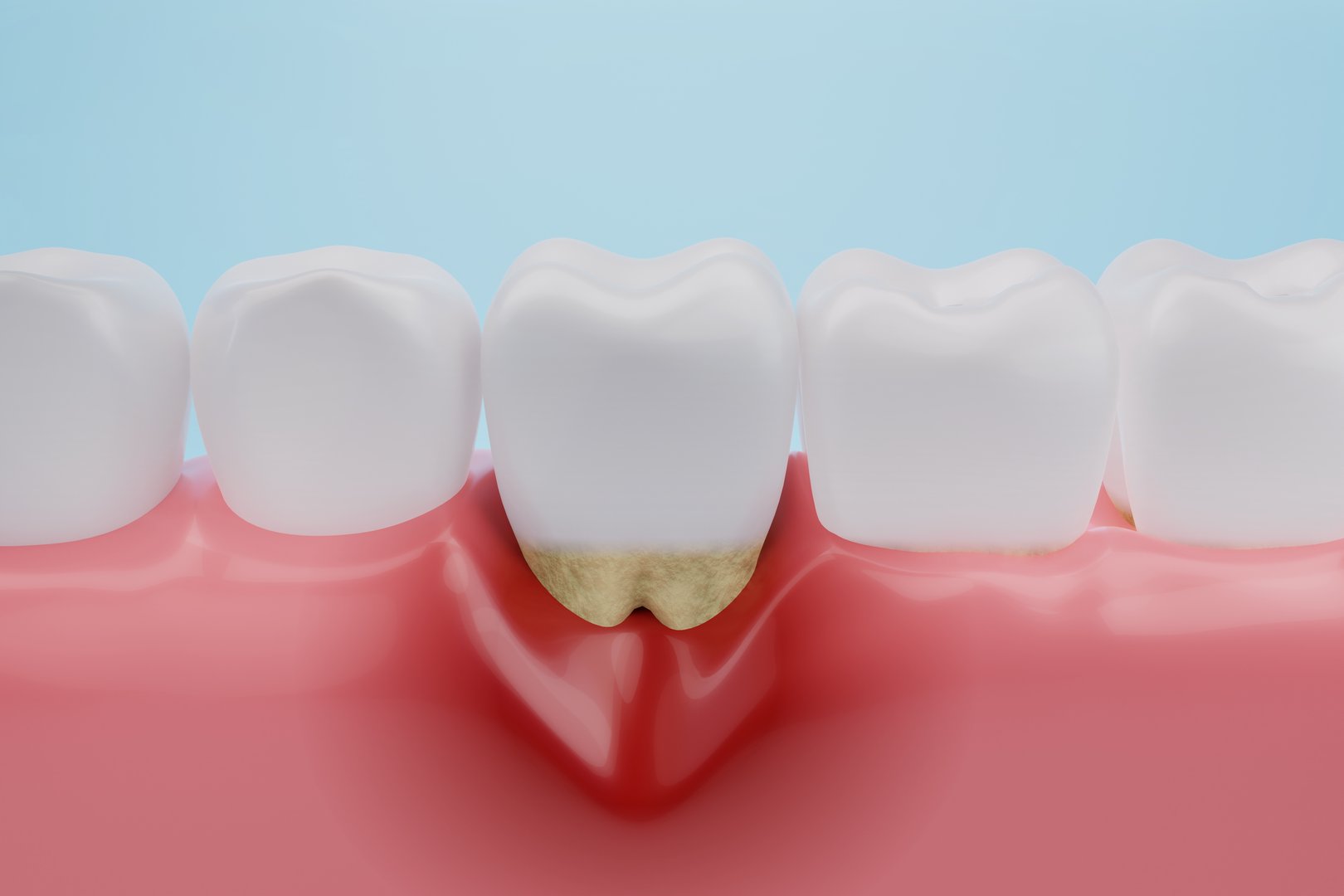
- Gum recession. When the gums pull away from the teeth, it exposes roots and can lead to sensitivity or increased risk of decay.
- Loose teeth. Mobility in your teeth often signals underlying bone loss or advanced gum disease.
- Changes in bite or jaw discomfort. Shifts in how your teeth fit together may stem from tissue or bone loss beneath the surface.
- Chronic bad breath or taste. These may be signs of infection below the gumline that needs specialized attention.
Identifying these symptoms early gives you the best chance of avoiding serious damage and maintaining strong, healthy teeth.
What periodontists do to protect your oral health
The work of a periodontist goes beyond regular cleanings or fillings. They are trained to treat the structures that support your teeth and to restore gum and bone health when those structures are compromised.
- Scaling and root planing. A deep cleaning procedure that removes plaque and bacteria from below the gumline.
- Surgical procedures. Including gum grafts, bone grafts, and flap surgery to repair and regenerate damaged tissues.
- Dental implant placement. Periodontists are experts in positioning implants precisely and monitoring their success over time.
- Maintenance of periodontal health. After treatment, they provide regular follow-ups and cleanings tailored to your condition.
- Advanced diagnostics. Using digital imaging and specialized tools, they can assess bone levels and gum health more thoroughly than what can be done in a general exam.
Each treatment is customized to your specific needs and focused on long-term stability and health.
Working alongside your regular dentist
You don’t need to choose between a general dentist and a periodontist—they often work together as part of a complete care team. When you see a periodontist, it’s usually in collaboration with your main dentist, not as a replacement.
- Shared care plans. Your providers coordinate to ensure all aspects of your oral health are addressed.
- Smooth referrals and updates. A good dental team keeps everyone on the same page, so your care is seamless.
- Preventive and follow-up care. After your treatment, your general dentist may help monitor your condition with support from the periodontist when needed.
This team-based approach helps you get the most out of every visit and builds a foundation for long-term success.
Protecting the foundation of your smile
Gum health is a vital but sometimes neglected part of overall dental care. When problems arise, it’s important to have the right specialist involved. A periodontist can identify and treat complex issues before they become more serious—and help you maintain the structure that keeps your teeth strong and secure.
If your dentist has recommended a visit to a periodontist, or if you’ve noticed signs like bleeding gums or shifting teeth, don’t wait. Getting specialized care now can make all the difference later.